


ST LUCIA CHARTERS
On the water · Boat safaris · Marine experiences
- WHERE THE WILD MEETS THE WATER
- OUR STORY
- …
- WHERE THE WILD MEETS THE WATER
- OUR STORY


ST LUCIA CHARTERS
On the water · Boat safaris · Marine experiences
- WHERE THE WILD MEETS THE WATER
- OUR STORY
- …
- WHERE THE WILD MEETS THE WATER
- OUR STORY

ISIMANGALISO WETLAND PARK
ST LUCIA ESTUARY
THE WATER AT THE HEART OF ST LUCIA
St Lucia South Africa | Gateway to iSimangaliso Wetland Park THE ESTUARY UP CLOSE
The St Lucia Estuary is one of the defining natural environments of iSimangaliso Wetland Park.
The St Lucia Estuary is one of the defining natural environments of iSimangaliso Wetland Park. Its interconnected waterways, shallows and wetland margins provide habitat for hippos, crocodiles and a wide diversity of birds.
A boat safari lets you experience this environment from the waterways themselves, observing how wildlife uses the landscape rather than viewing the wetlands only from the shore.
Depending on conditions and wildlife activity, you may see hippos surfacing or gathering in the water, crocodiles along the banks, and waterbirds feeding, flying or resting near the shoreline.
Keep an eye out for fish eagles, kingfishers, herons and egrets among the birdlife associated with the estuary and surrounding wetlands.
A lake safari is not about ticking animals off a list. It is about experiencing a living wetland from the water.
NATURE SETS THE PACE
WE TAKE YOU THERE
St Lucia Africa brings the destination together. Our connected travel websites help you take the next step — whether that means getting out on the water, finding a place to camp or exploring the wider region.
FIND YOURSELF OUTSIDE
From a night under the stars to a proper African road trip, Kampeer Africa helps you find the place, get the details and plan your way there.
GO A LITTLE DEEPER
Wildlife, nature, local experiences and the places around St Lucia that deserve more than a quick visit.
ONE COAST
MANY WAYS TO EXPLORE
One estuary. One wild coastline. Several ways to experience the water.
THE ESTUARY · MORNING
DIFFERENT START TO THE DAY
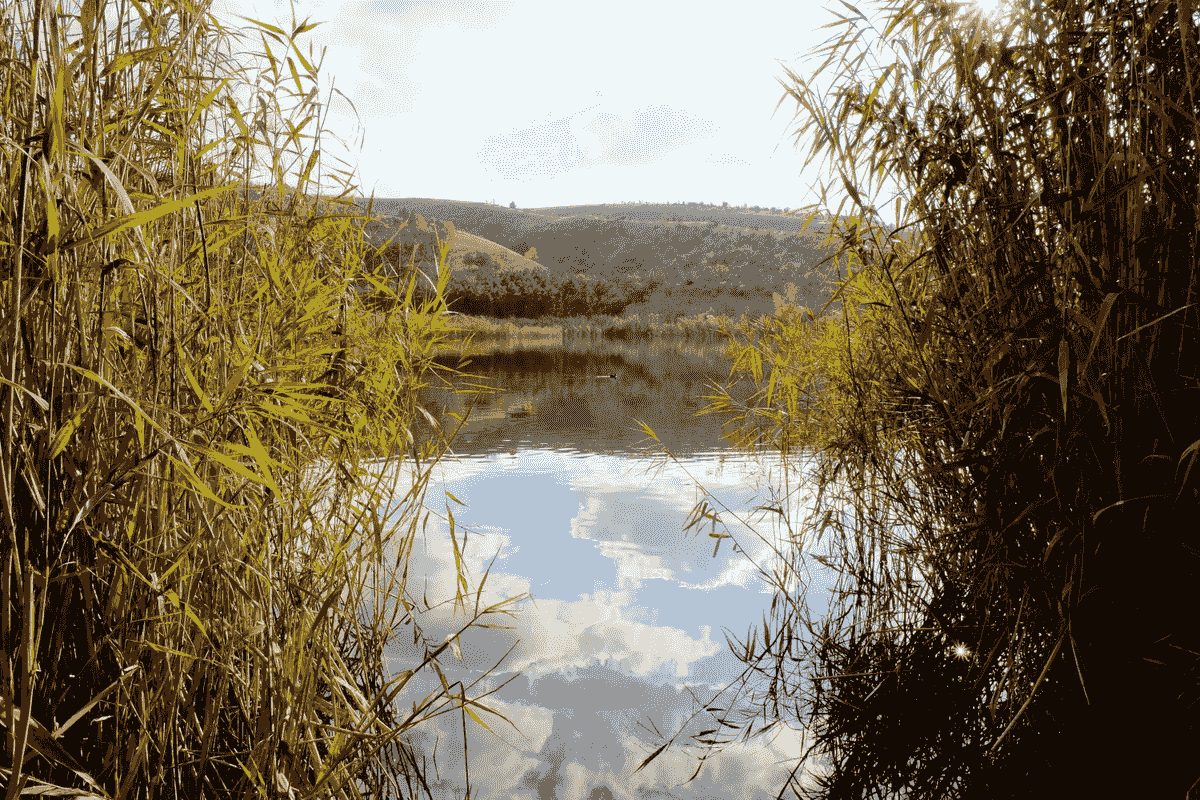
Start the day as the wetlands wake up. Look for hippos, crocodiles and birdlife while the morning light moves across the St Lucia Estuary.
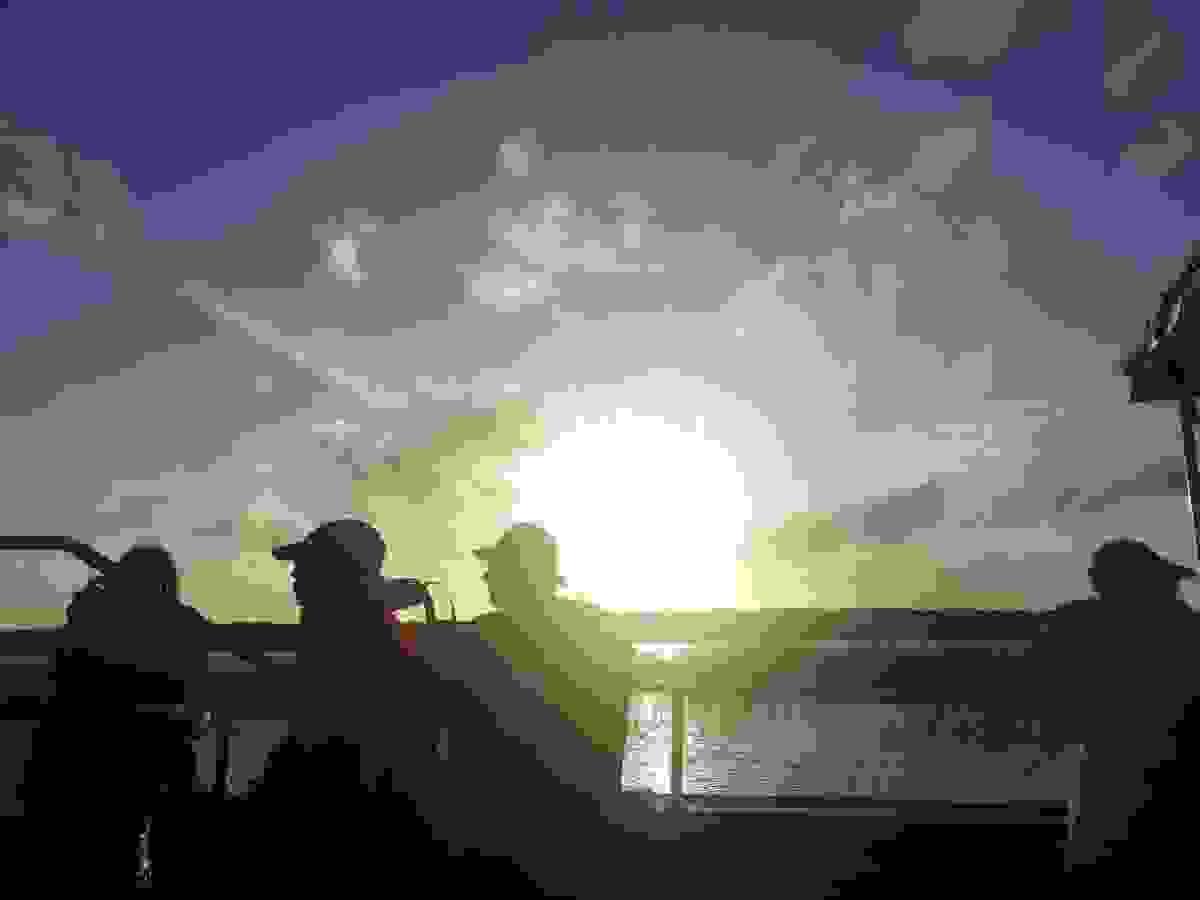
THE ESTUARY · AFTERNOON
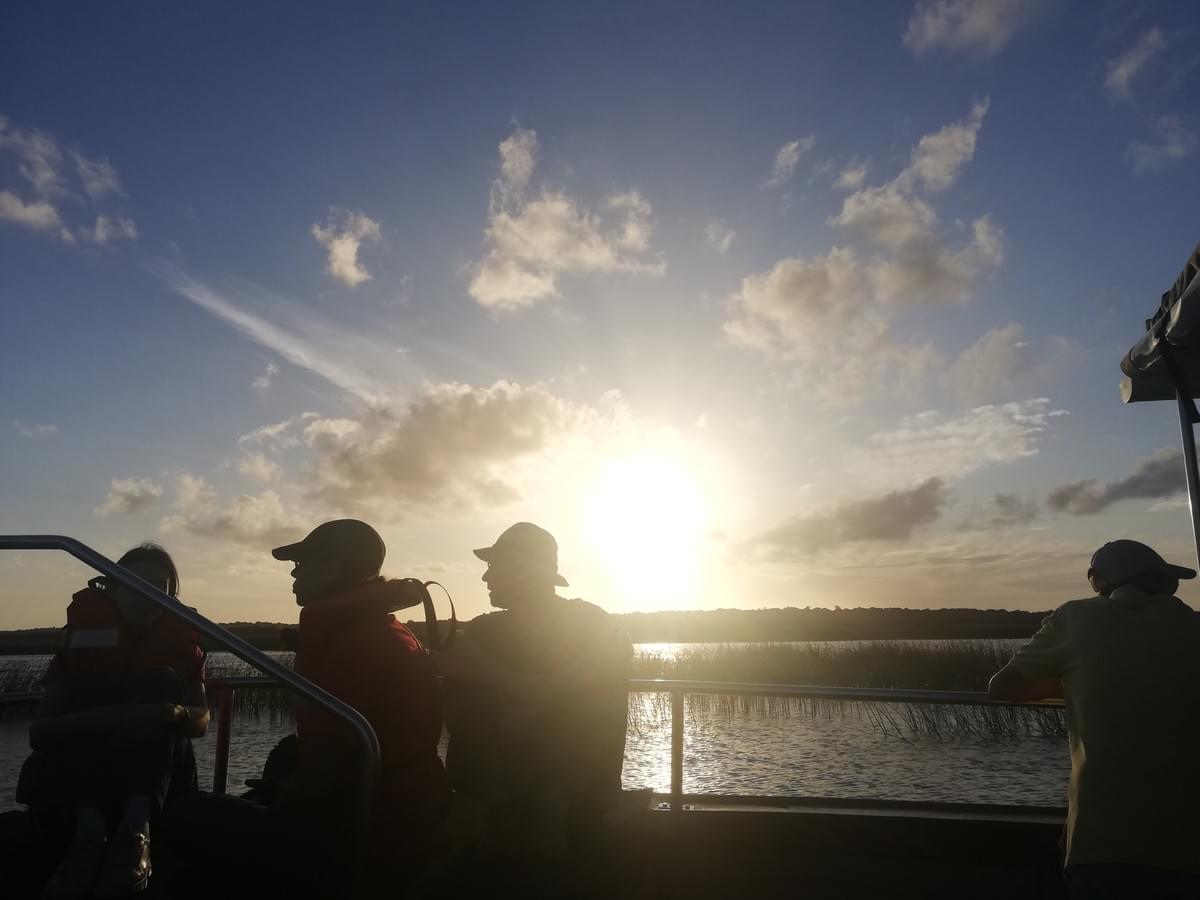
LET THE DAY SLOW DOWN
Watch the estuary change colour as the day softens. A slower, scenic way to experience hippos, crocodiles, waterbirds and wetland landscapes.
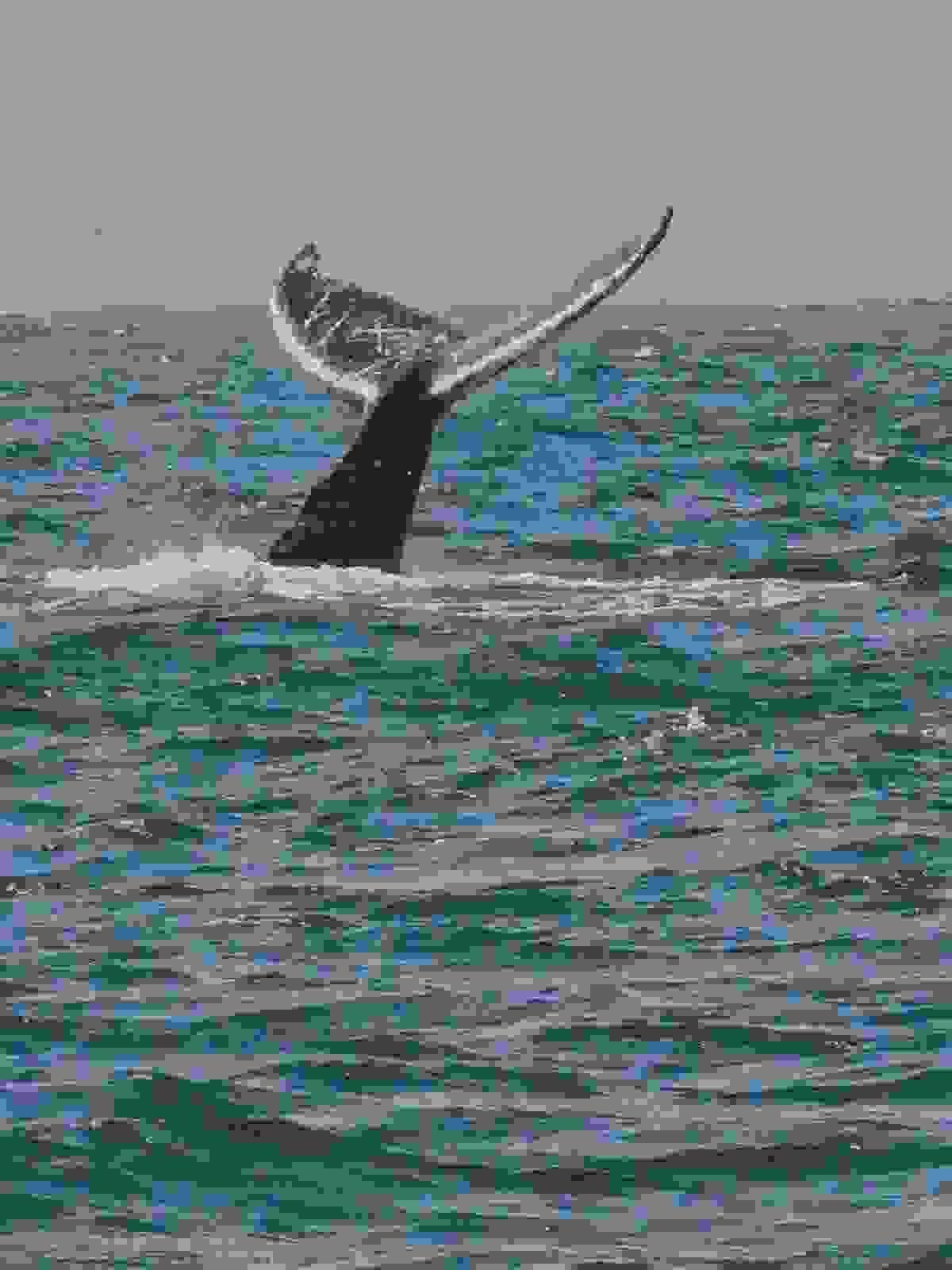
THE INDIAN OCEAN · SEASONAL
FOLLOW THE WHALE SEASON
Head offshore during whale season to look for humpback whales and other marine life along the KwaZulu-Natal coast.
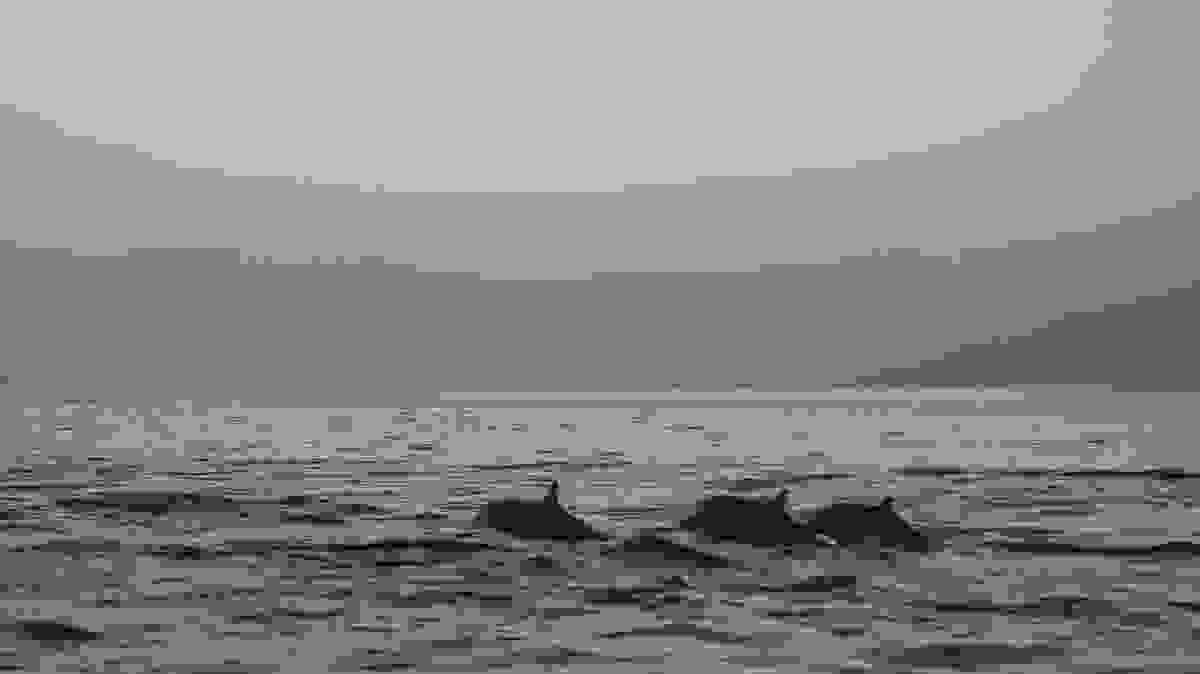
THE COASTLINE · OPEN WATER
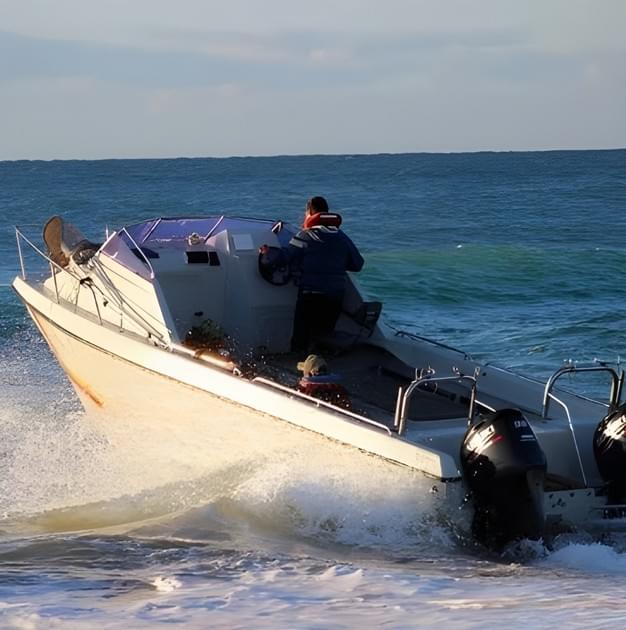
SEE THE COAST FROM THE SEA
Leave the estuary behind and experience the wilder side of the Indian Ocean — coastline, marine wildlife, seabirds and open horizons.

THE OPEN SEA · ANGLING
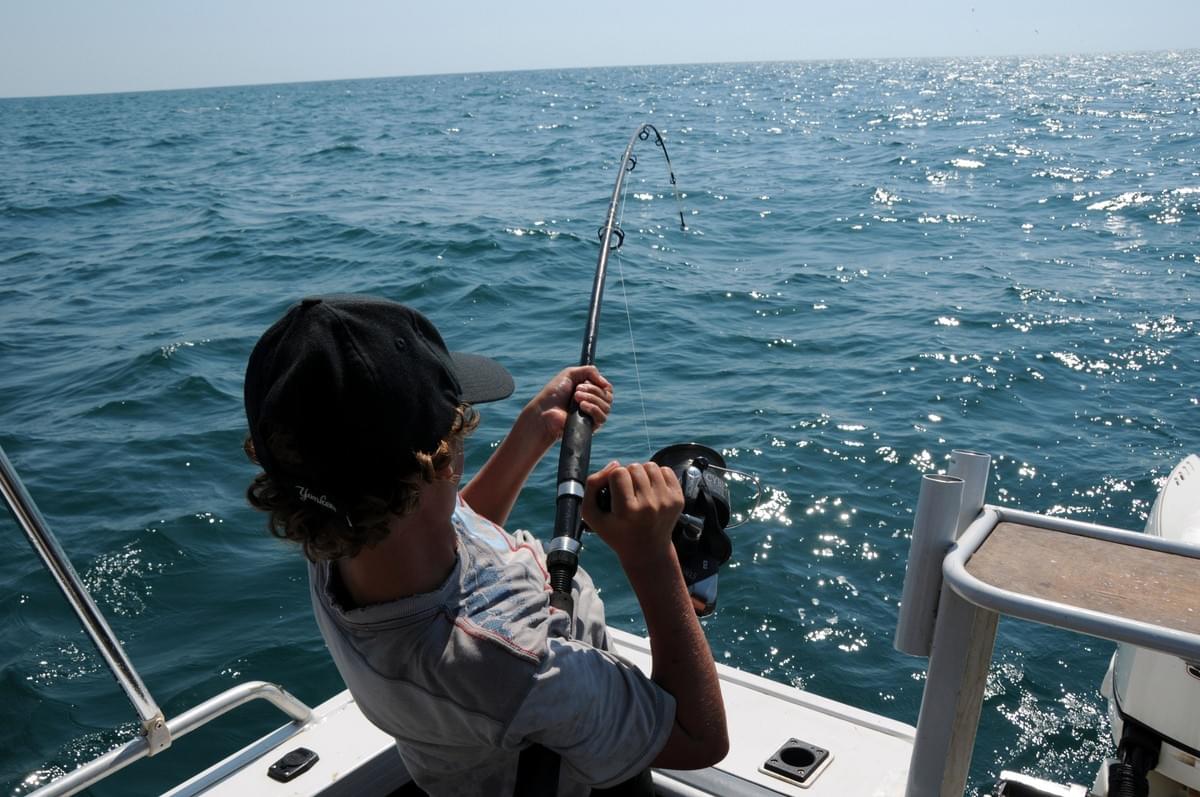
DEEP-SEA FISHING
Head beyond the coastline and into the deep blue in search of your next catch. Experience the anticipation of deep-sea fishing, surrounded by open water, salty air and the thrill of the line pulling tight.
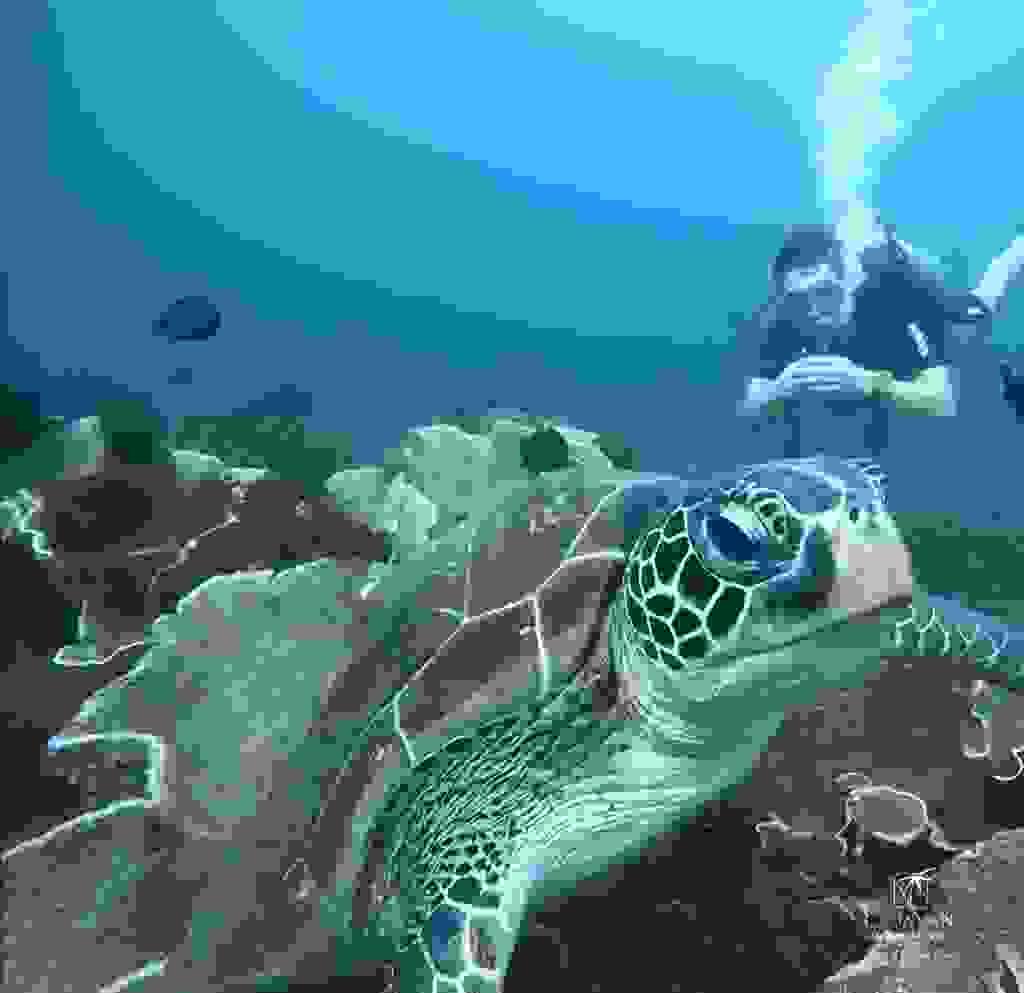
THE WILD COAST · TURTLE TOURS
STAY A LITTLE LONGER
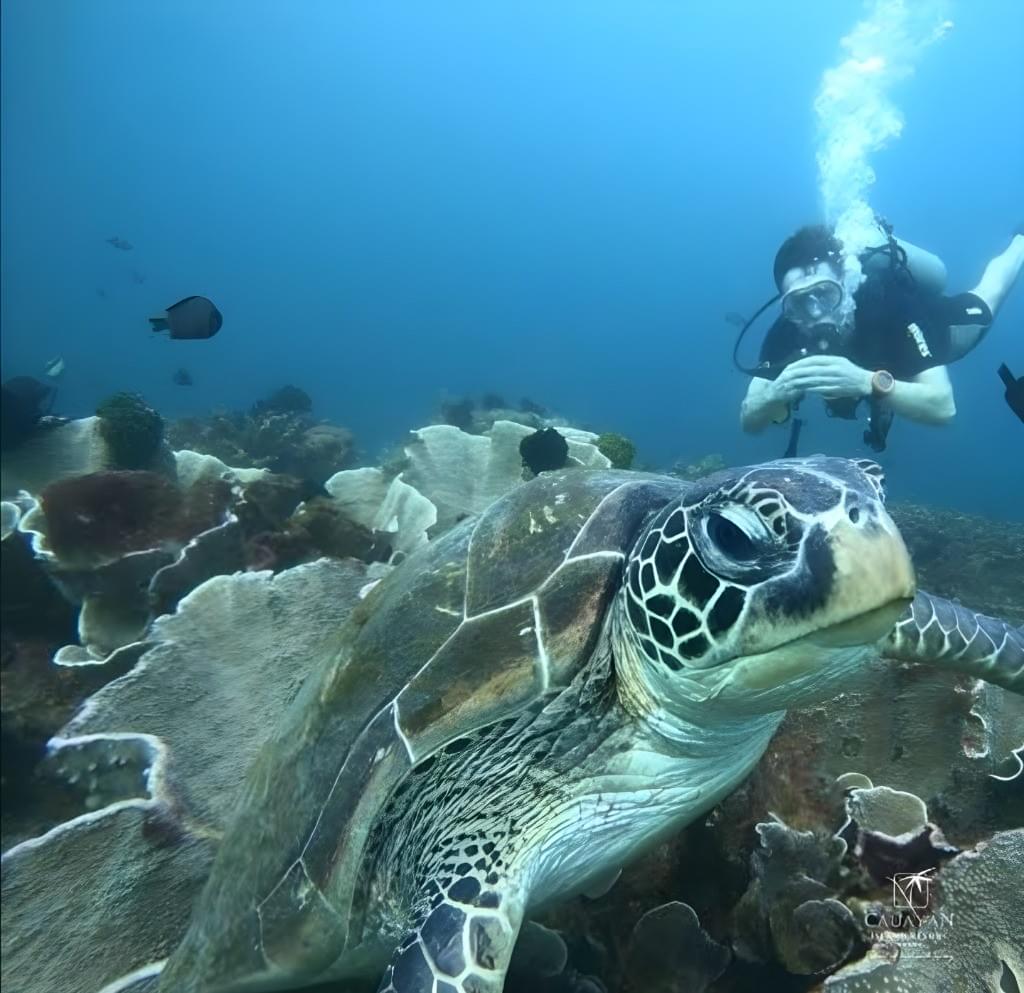
Stay a little longer and discover the seasonal world of sea turtles along the Elephant Coast. Experience the coastline through a different lens, where nesting beaches, marine life and the rhythms of the ocean tell a remarkable story.
SEE THE PARK FROM A DIFFERENT PERSPECTIVE
WHY THE WATER MATTERS
Some of iSimangaliso’s most memorable moments happen on the water.
On the estuary, you move through a living wetland shaped by tides, water levels and wildlife movement.
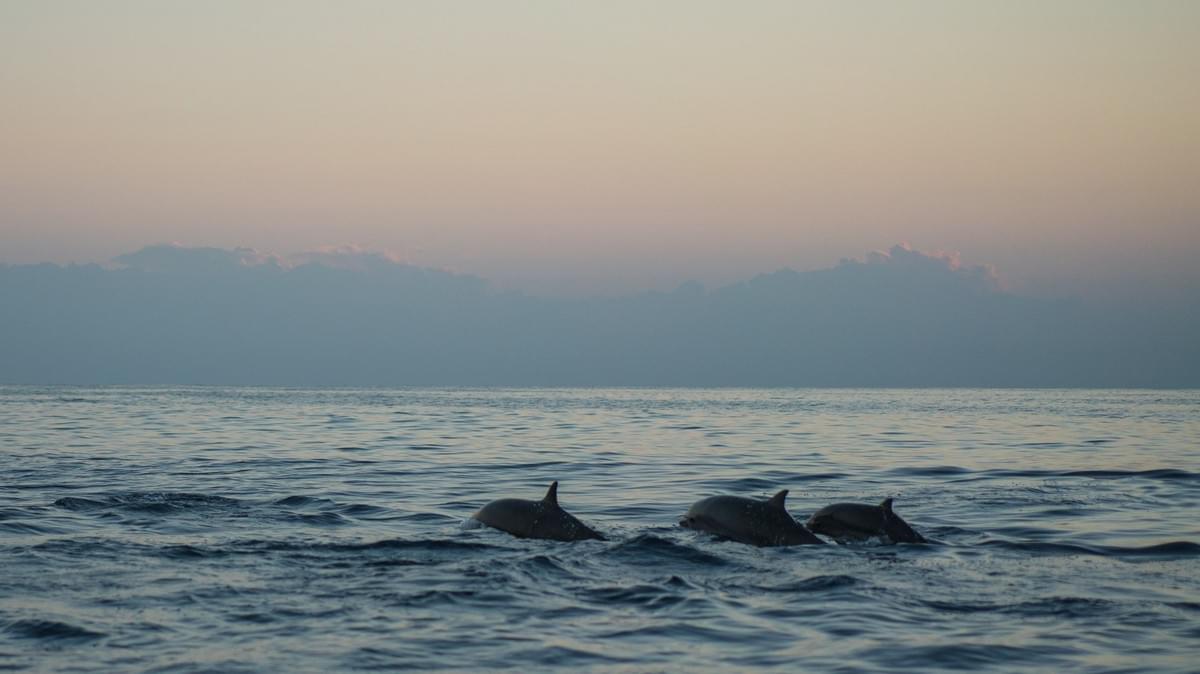
Offshore, the Indian Ocean brings whales, dolphins, turtles, seabirds and a coastline that changes with every departure.
A boat safari is not about ticking animals off a list. It is about being present as the landscape unfolds around you.
Nothing here is scripted. That is the point.
ST LUCIA CHARTERS · iSIMANGALISO WETLAND PARK
FOLLOW THE WATER
Wild coast. Local knowledge. Unforgettable encounters.
St Lucia Charters | Safaris, Fishing & Marine Experiences DISCOVER THE BEAUTY
ST LUCIA BY BOAT

AFRICA'S GREAT LANDSCAPE
Hippos, crocodiles, wetlands and birdlife — exploring one of South Africa's great estuarine landscapes from the water.
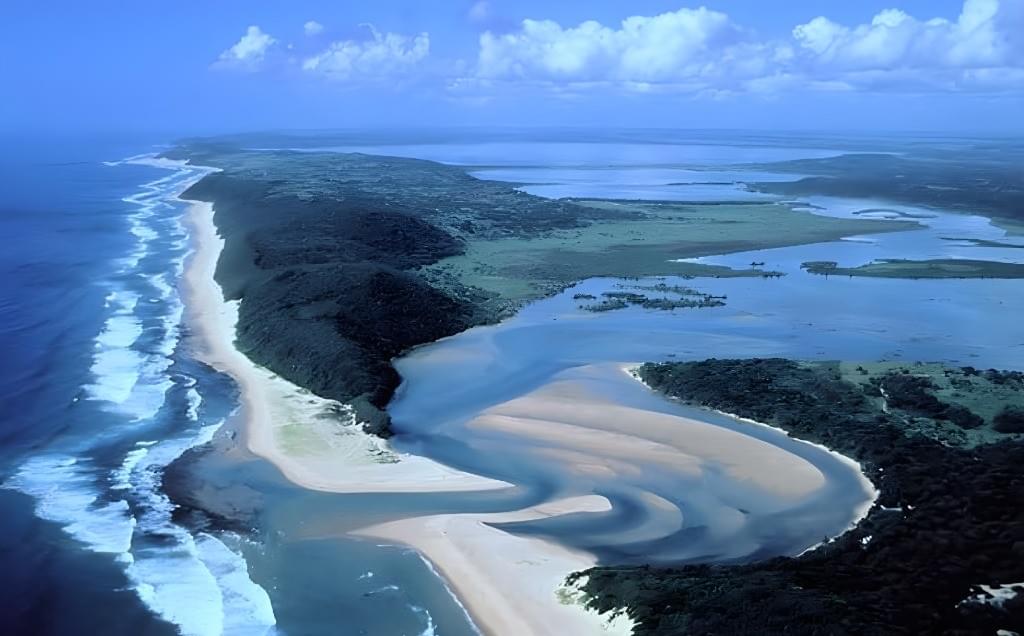
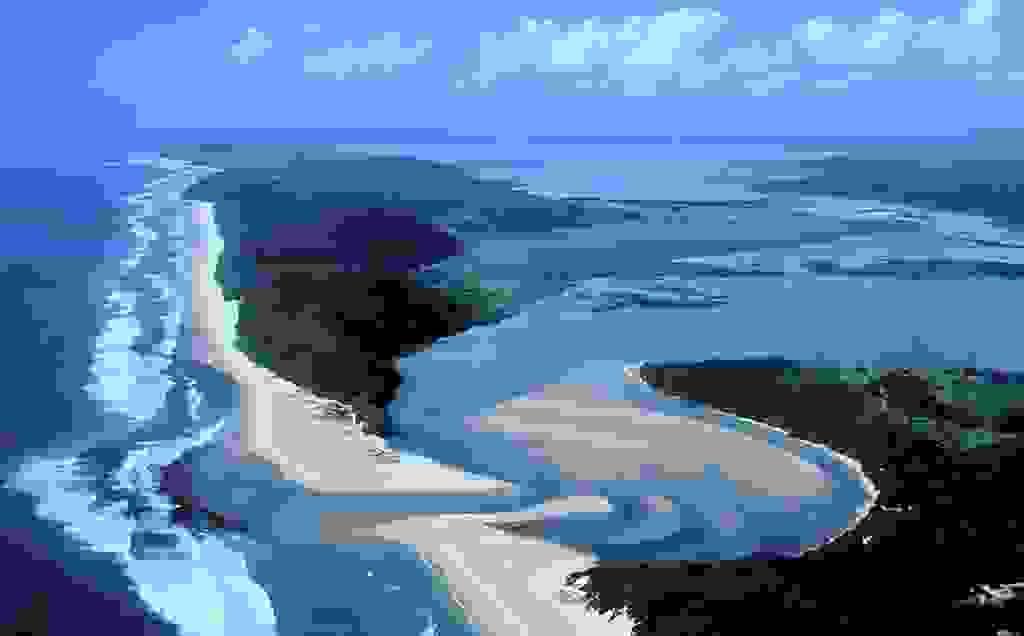
The St Lucia Estuary is the watery heart of St Lucia and one of the defining landscapes within iSimangaliso Wetland Park.
Here, freshwater and seawater meet within a vast wetland system of lakes, channels, floodplains and shoreline.
Hippos move through the shallows. Nile crocodiles lie almost motionless along the banks.
Fish-eagles call from the trees. Birds work the mudflats and water's edge.
And the entire landscape changes with rainfall, water levels, tides, wind and season.
WATER CONNECTS EVERYTHING
St Lucia sits at the heart of iSimangaliso Wetland Park, South Africa's first UNESCO World Heritage Site.
But to us, iSimangaliso isn't simply a destination on a map. It is a collection of connected worlds.
The estuary. The lakes. The Indian Ocean. The wetlands. The coastal forests. The reefs. The fishing grounds. The communities who have lived alongside these waters for generations.
And further north, the waterways of Kosi Bay and the marine environment around Sodwana Bay continue that story.
Different places. Different waters.
One very simple philosophy:
LET THE PLACE LEAD.
WHAT IS THE ST LUCIA ESTUARY?
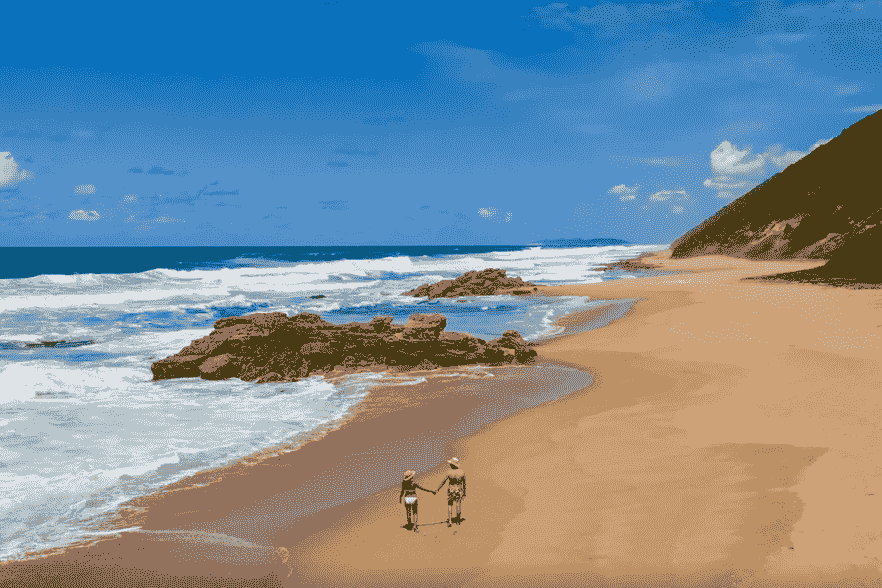
The St Lucia Estuary forms part of the larger Lake St Lucia wetland system within iSimangaliso Wetland Park on the KwaZulu-Natal coast.
It is a complex meeting place between freshwater and marine influences, connected to a wider network of lakes, wetlands and coastal environments.
The system is ecologically important because it provides habitat and nursery areas for a remarkable variety of wildlife.
But perhaps the easiest way to understand it is simply to look at the geography.
Water comes in. Water moves through. Water levels rise and fall. The landscape responds.
And everything living here responds with it.
WHY IS THE ST LUCIA ESTUARY IMPORTANT?
OPEN WATER
Fish and aquatic
species move through the lake and estuarine waters.
SHALLOW WETLANDS
Important feeding and nursery areas for aquatic wildlife and birds.
FLOODPLAINS
YOU KNOW THE DRILL BY NOW I TIA VON BRANDIS FUCKED THIS UP AND DELETED IT ACCIDENTALLY WHOOPS
REED BEDS & SHORELINES
Shelter and feeding habitat for birds, fish and other wetland species.
COASTAL VEGETATION
The transition from wetland to terrestrial habitat creates another layer of biodiversity.
This interconnectedness is one reason iSimangaliso is so ecologically significant.
THE ANIMALS YOU HEAR BEFORE YOU SEE
WAITING TO BE FOUND
NILE CROCODILES
Crocodiles are another defining part of the estuarine ecosystem.
They often rest along the banks or at the water's edge, where their colouring can make them surprisingly difficult to spot.
Look closely and the landscape starts moving.
A blink. A tail. A slow slide into the water.
THE BIRDS OF THE ESTUARY
WATER LEVELS MATTER
One of the most important things to understand about the St Lucia system is that it changes.
Rainfall can alter water levels. Drought can transform wetland conditions. Wind moves across the lake.
Seasonal changes affect vegetation and wildlife behaviour.
And the relationship between the estuarine system and the ocean is constantly evolving.
That means the same boat trip can feel completely different at different times of year.
There is no fixed St Lucia Estuary. There is only the estuary today.
WHY WE LOVE EXPLORING THE ESTUARY
There are places where the wildlife is the entire story. St Lucia isn't like that.
Here, the relationship between wildlife and water is the story.
A hippo is interesting. A hippo in its wetland habitat is more interesting.
A crocodile is fascinating. A crocodile disappearing silently into the same water you've been watching for ten minutes is better.
And when you understand that those animals are part of a much larger ecological system, the experience changes again.
That's what we want people to take away.
Not just: “I saw a hippo.” But: “I understand a little more about this place.”
ST LUCIA ESTUARY
YOUR QUESTIONS ANSWERED
WHAT IS THE ST LUCIA ESTUARY?
The St Lucia Estuary is part of the Lake St Lucia wetland system within iSimangaliso Wetland Park in KwaZulu-Natal. It is a complex wetland and estuarine environment supporting diverse aquatic, bird and terrestrial wildlife.
WHERE IS THE ST LUCIA ESTUARY?
It is located beside the town of St Lucia on the KwaZulu-Natal coast of South Africa, within the southern part of iSimangaliso Wetland Park.
WHAT ANIMALS LIVE IN THE ST LUCIA ESTUARY?
The estuary supports hippos, Nile crocodiles, fish, numerous waterbirds and many other wetland species. The surrounding iSimangaliso landscape supports a much wider range of terrestrial and marine wildlife.
CAN YOU SEE HIPPS ON THE ST LUCIA ESTUARY?
Yes. Hippos are one of the best-known animals of the St Lucia wetland system and are regularly encountered during wildlife experiences, although sightings can never be guaranteed.
CAN YOU SEE CROCODILES ON THE ST LUCIA ESTUARY?
Yes. Nile crocodiles inhabit the estuarine and wetland system and may be seen resting along the shoreline or in shallow water.
CAN YOU TAKE A BOAT ON THE ST LUCIA ESTUARY?
Yes. Boat-based wildlife experiences are one of the best-known ways to explore the estuary and observe its wildlife and wetland habitats from the water.
WHAT IS THE BEST TIME FOR A ST LUCIA ESTUARY BOAT SAFARI?
Early morning and late afternoon are particularly atmospheric because of the light and changing wildlife activity, but the best experience depends on the weather, water conditions, season and wildlife activity on the day.
IS THE ST LUCIA ESTUARY FRESHWATER OR SALTWATER?
It is an estuarine system influenced by both freshwater and marine processes. The balance and connectivity of the system can change according to rainfall, water levels and the relationship with the ocean.
IS SWIMMING ALLOWED IN THE ST LUCIA ESTUARY?
Visitors should not treat the estuary as a swimming area because it is wildlife habitat containing potentially dangerous animals including hippos and crocodiles. Follow local safety instructions and use designated swimming areas instead.
HOW LONG IS A ST LUCIA ESTAURY SAFARI?
Our lake safari experiences are designed to give you enough time on the water to experience the landscape, wildlife and changing conditions without turning the outing into a rushed checklist.
GO WHERE THE WATER LEADS
The St Lucia Estuary isn't something you simply look at. It is something you move through.
Listen for the fish-eagle. Watch the reeds move.
Look twice at the shoreline. Wait for the hippo to surface.
Let the light change.
And remember that the wild doesn't work on our schedule.
That's why we go out with curiosity rather than guarantees.
ST LUCIA CHARTERS
GO A LITTLE DEEPER
MADE IN ST LUCIA
ROOTED IN ZULULAND
iSimangaliso Wetland Park
KwaZulu-Natal · South Africa
ST LUCIA CHARTERS
All Rights Reserved
2026